

Monthly motivation - June
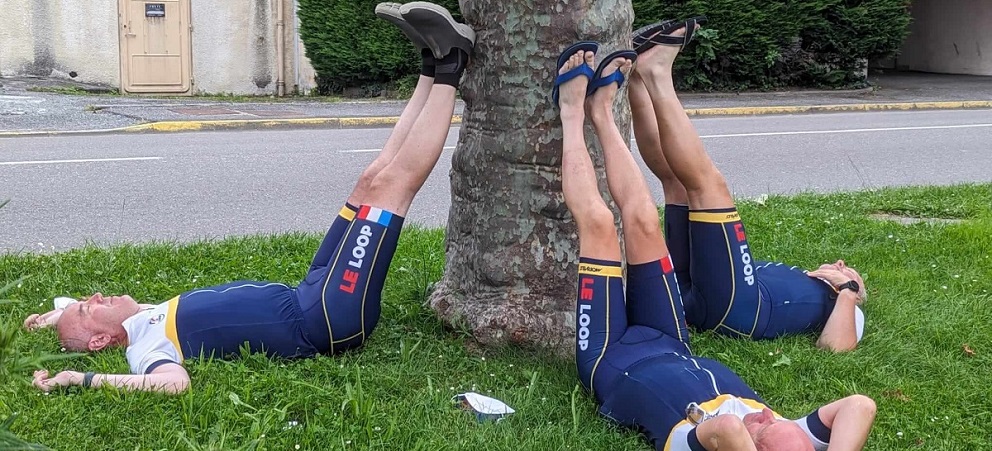
The Taper Blog!
As you read this, you’ll probably be putting the finishing touches to your bike, ticking off the last items on your kit list, and – if you’re anything like most riders – wondering whether you’ve done enough training.
The good news is that, by now, your focus should be shifting away from fitness and towards recovery. Whether you’re riding one of the earlier Loops or joining us later in the tour, once you have only 2 or 3 weeks to go, you’ll have reached the point where the biggest gains are no longer going to come from cramming in extra miles. Instead, they’ll come from arriving at the start line rested, fresh and ready to ride.
It’s worth taking a moment to look back at how far you’ve come. Most of you will have ridden more this year than ever before. Think back to those cold winter mornings, the turbo sessions squeezed in around work and family life, the long weekend rides when the weather didn’t exactly cooperate. The fitness you’ve built over the past few months isn’t going to disappear in the next couple of weeks.
In fact, one of the biggest mistakes riders make at this stage is trying to chase fitness that can no longer be gained. The temptation to squeeze in one more epic ride, one more tough training block, or one final attempt to prove you’re ready is understandable – but it’s rarely productive.
Remember that nobody arrives at Le Loop feeling perfectly prepared. There’s always another climb you could have ridden, another interval session you could have completed, another few kilograms you could have lost. Most riders, regardless of experience or fitness level, will be carrying a few doubts into the final weeks. That’s completely normal. Trust the work you’ve already done.
Why tapering matters
The purpose of tapering isn’t simply to rest before the event. It’s a carefully managed reduction in training load that allows your body to recover from months of accumulated fatigue while maintaining the fitness you’ve worked so hard to build.
The key thing to understand is that fatigue disappears faster than fitness. While you may lose a tiny amount of training adaptation during a taper, you’ll shed far more fatigue. The result is that your performance on day one is actually better than it would be if you continued training hard right up to the start.
Think of tapering as the final phase of your training plan, not a break from it.
How to taper effectively
For most riders, a taper of about 14 days works well. During this period, try to maintain the frequency of your riding but reduce the overall volume. In simple terms, keep riding regularly, but spend less time on the bike and avoid accumulating fatigue.
There’s no need to completely stop training. Short rides with a little intensity can help keep the legs feeling responsive, but resist the temptation to turn every ride into a test of fitness. This is not the time to chase Strava segments, set personal records, or prove anything to yourself.
Listen carefully to how you’re feeling. If a ride leaves you unusually tired, sore or sluggish, don’t be afraid to back off further. The goal is to arrive at the start line feeling eager to ride, not desperate for a rest.
As a rule of thumb, avoid any major training weekends or multi-day endurance blocks within two weeks of your departure. By this point, the potential fitness gains are small, while the recovery cost can be significant.
Trust the process
One of the most challenging aspects of tapering is psychological.
Many riders report feeling flat, heavy-legged or oddly unfit during the final week or two before a big event. Others become restless because they’re suddenly riding less than they’ve become accustomed to.
This is entirely normal.
The absence of training fatigue can feel strange after months of structured riding. You may find yourself questioning whether you’re losing fitness or whether you’ve done enough. In reality, your body is busy repairing muscle damage, replenishing energy stores and adapting to the training you’ve already completed.
The most important thing at this stage is confidence. The fitness is already in the bank. Your job now is to protect it.
A final tune-up ride
If you struggle with sitting still during the final week, consider scheduling one final longer ride several days before departure.
This doesn’t need to be epic. The aim is simply to keep the legs moving, remind yourself that everything is working, and boost confidence before the event begins. Keep the pace comfortable, avoid unnecessary heroics, and leave at least two full recovery days afterwards.
Many riders find this provides a useful mental reset and helps settle any last-minute nerves.
Use the time wisely
One benefit of tapering is that it creates space for all the practical preparations that inevitably build up before an event like Le Loop.
Rather than filling every spare hour with training, focus on the things that will genuinely improve your experience during the ride.
Bike preparation
By now, your bike setup should be finalised. Avoid making significant changes to position, contact points or equipment. However, do make sure your bike has been recently serviced and that consumable items such as tyres, brake pads, cables and cleats are in good condition. If your bike still needs attention, don’t leave it until the last minute-workshops are always busy at this time of year.
Mobility and recovery
If you’ve been incorporating yoga, Pilates or regular stretching into your routine, keep it going. You don’t need lengthy sessions; a few minutes spent addressing your personal trouble spots can make a big difference once the consecutive riding days begin.
Nutrition and hydration
If you’ve been pursuing a weight-loss goal during training, now is the time to let it go. In the final days before departure, being properly fuelled is far more important than being marginally lighter.
Pay particular attention to hydration in the week leading up to your Loop. Arriving well hydrated will make the first few days considerably easier. Some riders choose to reduce alcohol intake and moderate caffeine consumption during this period, but the most important thing is simply to drink consistently and eat well.
And finally ... Enjoy the feeling!
For months, your focus has been on preparing for this adventure. Now the emphasis shifts from building fitness to preserving it.
The hard work is largely done.
Trust your training, trust the process, and allow yourself to recover. A successful taper isn’t about doing more – it’s about having the discipline to do less.
When you roll away from the start line, you want to feel fresh, motivated and excited for what’s ahead. Give yourself the best chance of that by embracing the taper.
You’ve earned it.
Vive Le Tour!
You can see last month’s motivation blog here.
Or view all our blogs here.